ATHLETE INTERVIEWS
Ben Hargrave
Ben Hargrave is a lift engineer, who has always been into sports, especially football.
Ben Hargrave is a lift engineer, who has always been into sports, especially football.
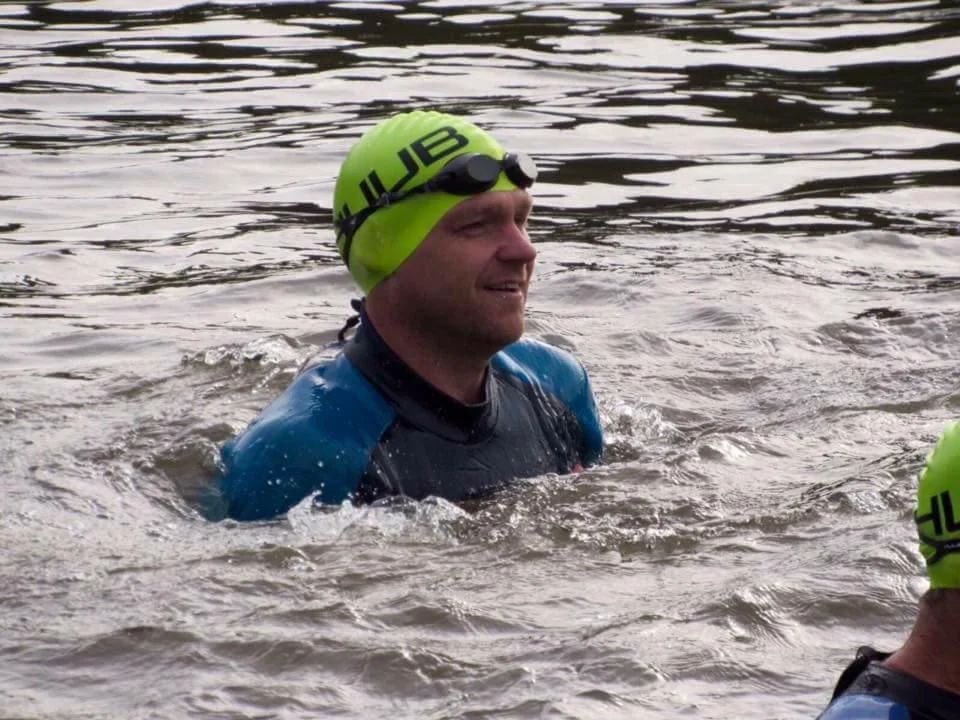
1) Can you share your ACL story?
I first tore my right ACL in 2008, during a football match - no challenge, just a twist and a pop. I went to the hospital the next day but nothing was diagnosed, as I have large quads and calves. No manual tests flagged up a torn ACL and I was told to rest. After the swelling went down and I tried to use the knee, but it kept giving way. I was diagnosed after the MRI but it was 14 months after initial injury. I had the operation using an ACL hamstring autograft, and had a medial and lateral menisecomy including bucket handle tear. Rehab was hard - I was in a brace for 8 weeks and it was really tough breaking down scar tissue but I got there in the end.
It was only a few games in after first knee surgery that I felt the pop in my left knee. In fact I think it was the first competitive game. I did not feel the same pain as before but I know something wasn't right. I went to get an MRI again and it was brought up as major partial tear to PCL. I was told this would be OK and just carried on - I went off to play football shortly after, but it did not feel right and the knee did give way a bit from time to time. It wasn't until I took a blow to the knee in a challenge when it totally went. I tried to play the next week and lasted literally seconds - I received the ball from kick off and the knee gave way. I was then diagnosed with complete rupture of ACL and medial meniscus tear, and I had the operation around 2015. I was really worried. I thought I knew what to expect, but rehab was super aggressive with no brace.
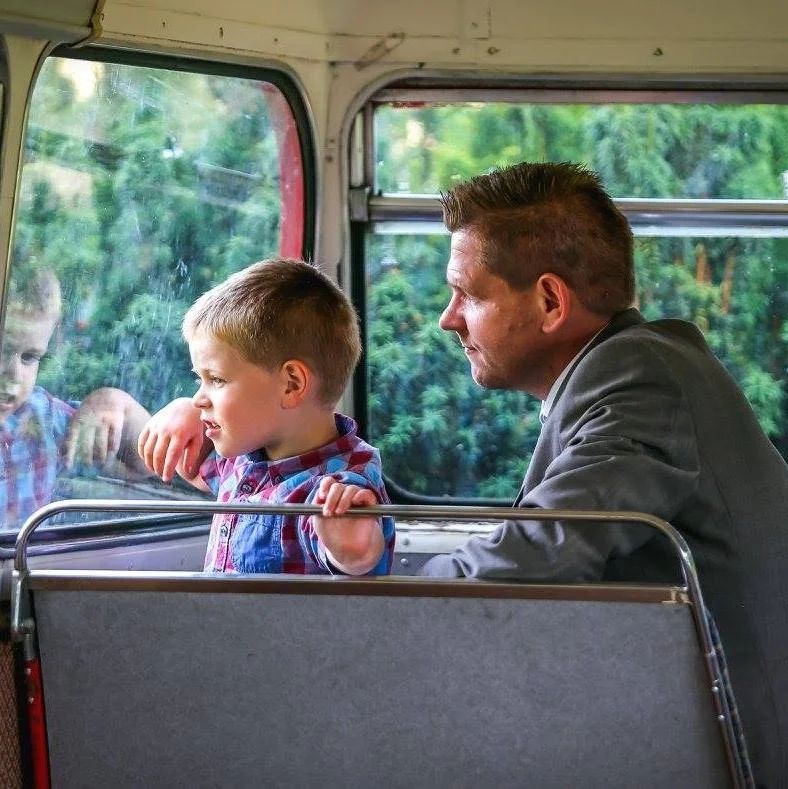
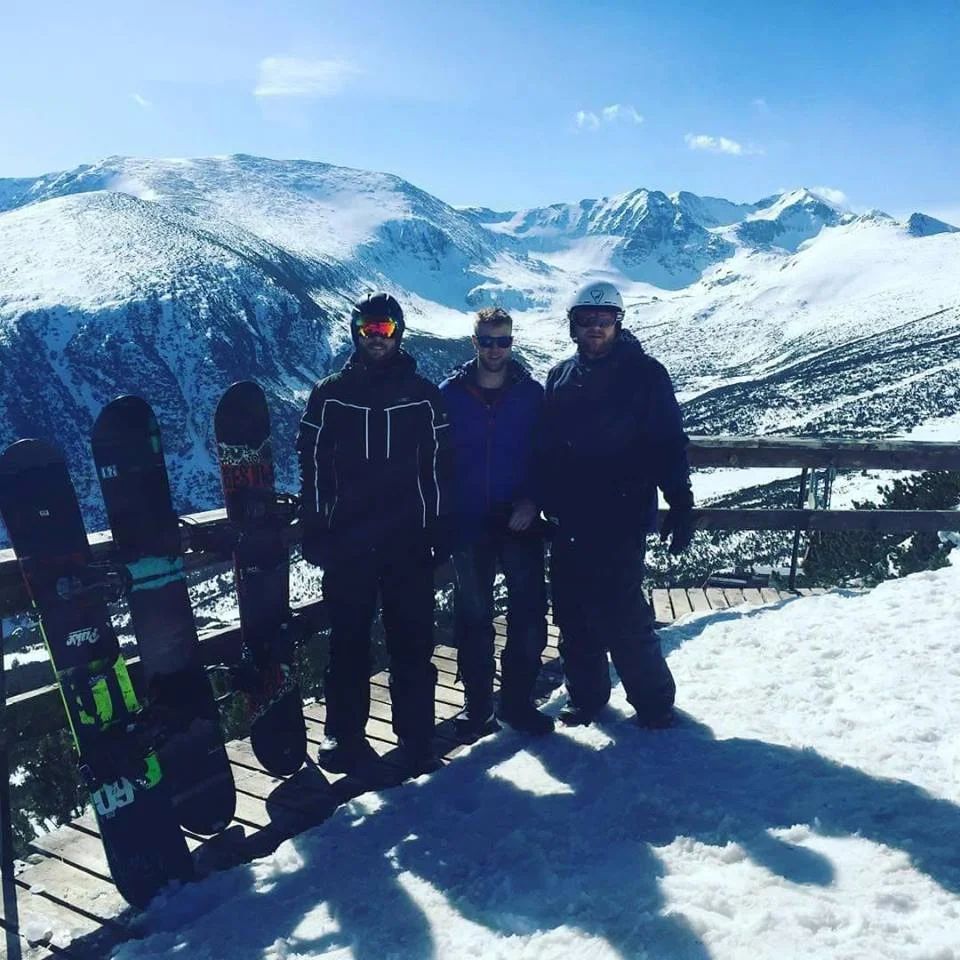
On the first competitive game back after the second surgery I was super confident. I'd waited a year after surgery, became fit, and was looking forward to the season as it was a pre-season friendly. Unfortunately during that game I broke my fibula in a challenge, subsequently needing a plate and 7 screws. That was a pain! But rehab for that was easier than ACL rehab, so it all good. This last season I've played the most games out of the whole squad at 25 games, scored 5 goals and enjoyed it. I've also been snowboarding this year for the first time after being advised not to ski. It was a great trip, and I made a full comeback with no knee issues whatsoever!
2) What was the hardest part of the experience?
I think the hardest part is the mental side of returning to competitive sport. For me, it was subconscious but to the point where I tore my other ACL, probably putting more pressure on it protecting the operated knee. In fact, I found it easier playing sports after having ACL reconstruction on both knees, as I no longer favoured/overcompensated on one of the knees. The brace I wore from the first knee surgery was tossed in the trash, and I just moved on from it. After the first surgery, I always had the injury in the back of my mind when playing, but with both knees done, I found I didn't think about either.
3) How did you stay motivated throughout the process?
I've always stayed motivated by thinking, "I'm only here once". I've never really contemplated not having ACLs reconstructed as I want to do the things I love. Things might be hard and painful rehab-wise but I've always thought it's only a matter of time before it will be over, and then down the line it'll all be good.
4) What tips/advice would you share with other athletes on the road to recovery?
I would advise people to stay positive, and to get as fit as possible before surgery; really build the quads and calves.
5) Do you think these experiences have changed you as a person?
I feel like my injuries are part of me; I love my scars, as they are like tattoos that tell a story, I was stopped at 28 by the ACL injury, which was probably my prime time. It was disappointing but after fighting through the ACL injuries, I have a greater appreciation for being able to run and be active.